History of the Castel Sant'Angelo
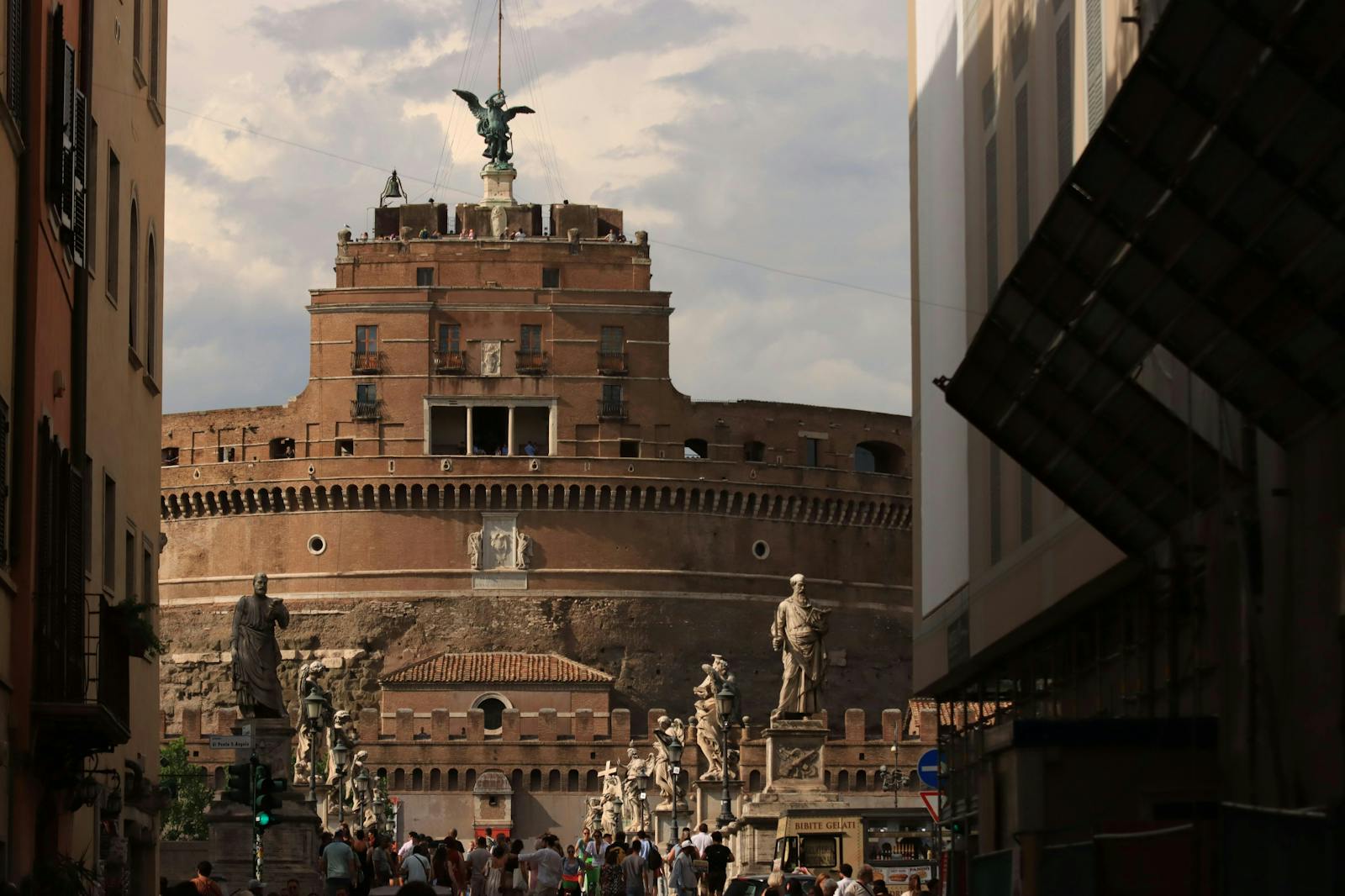
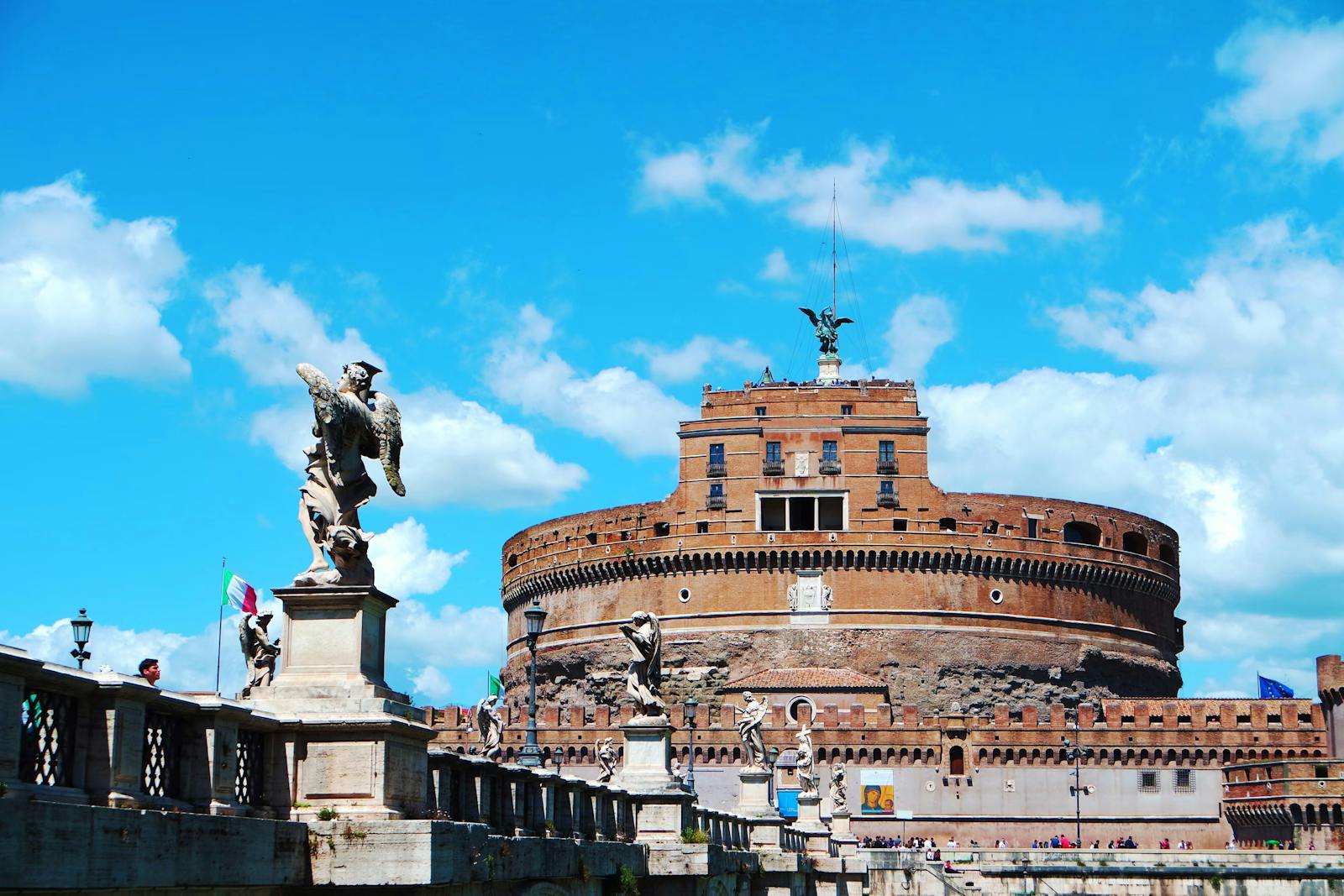
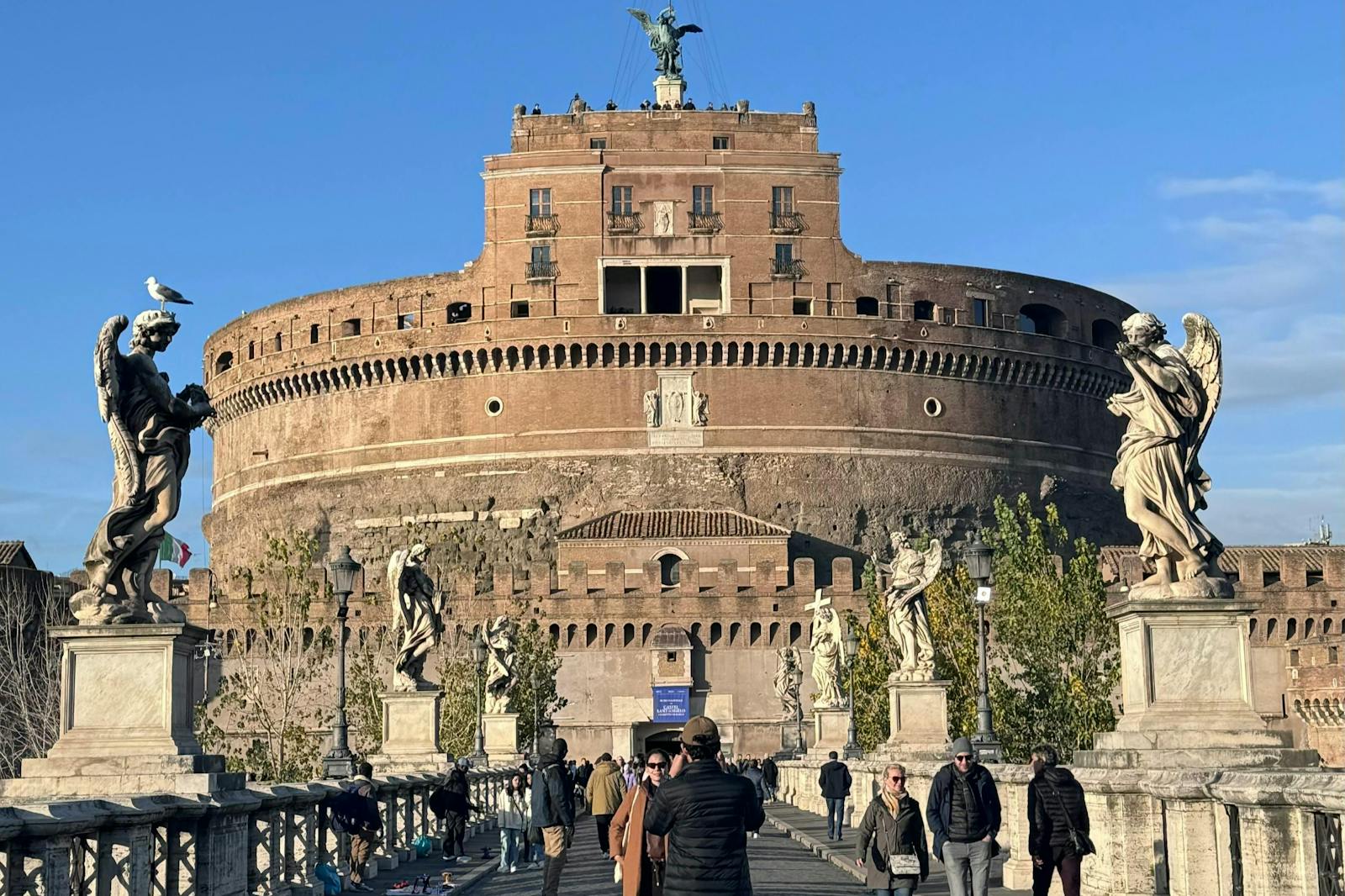
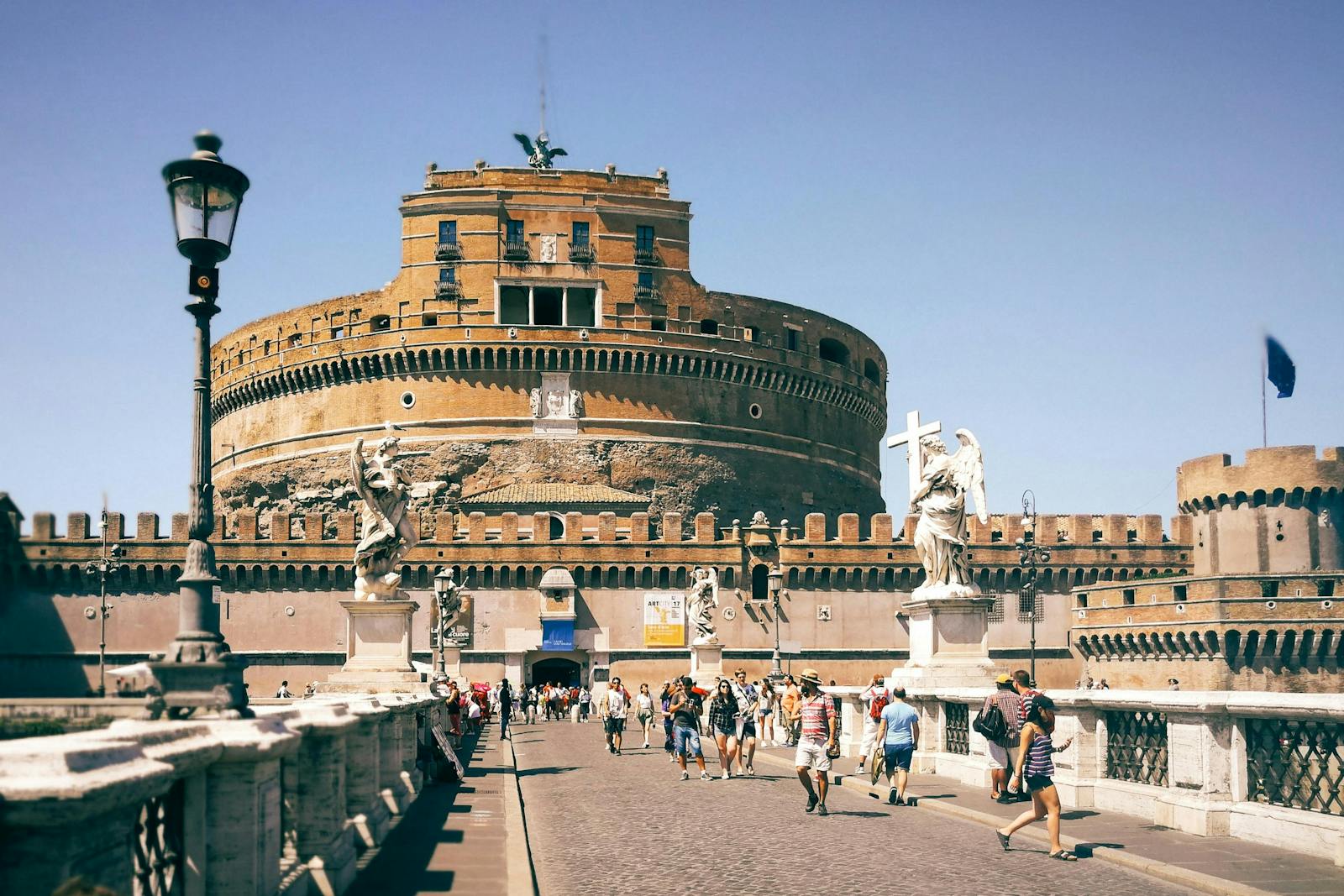
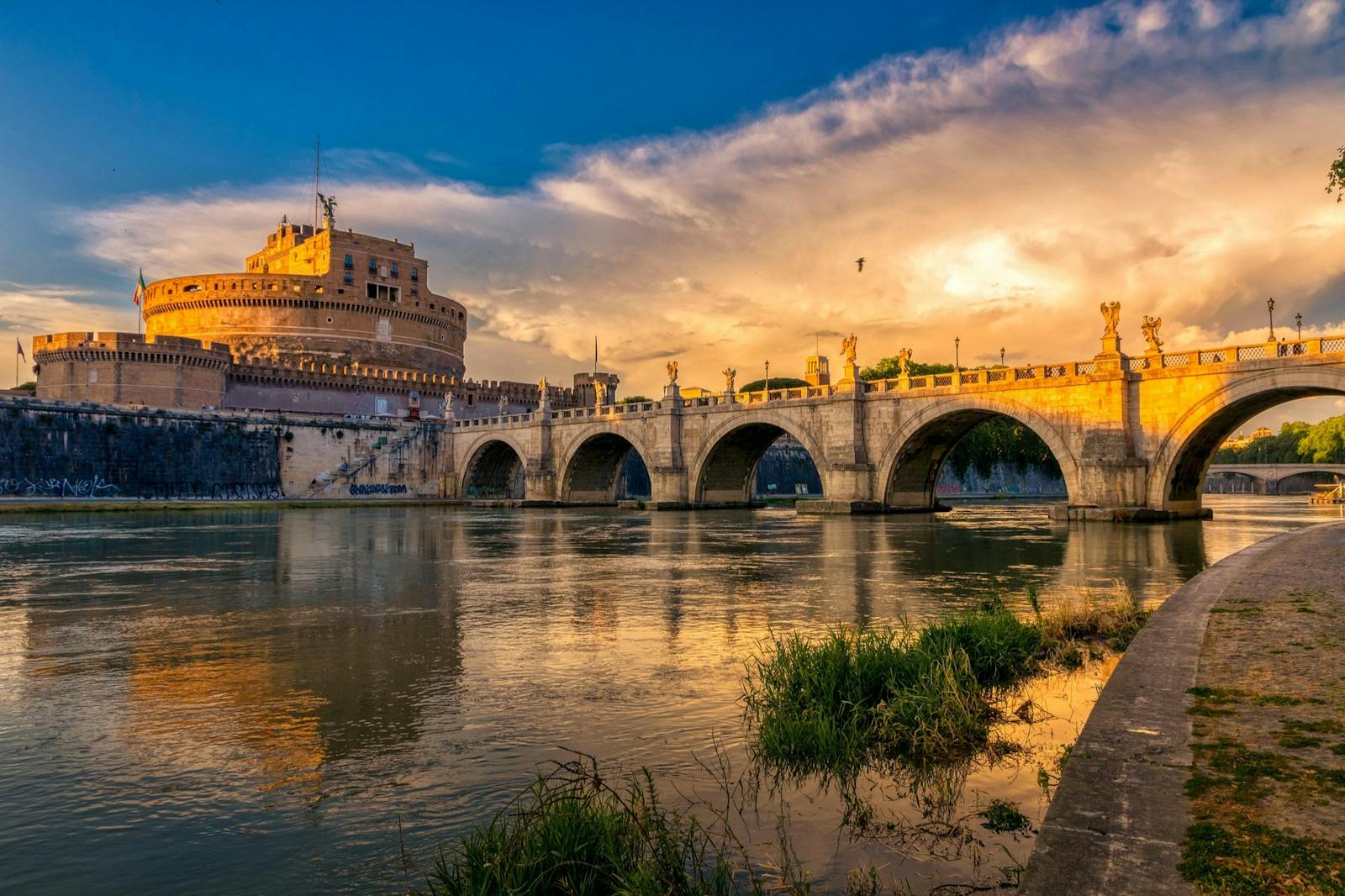
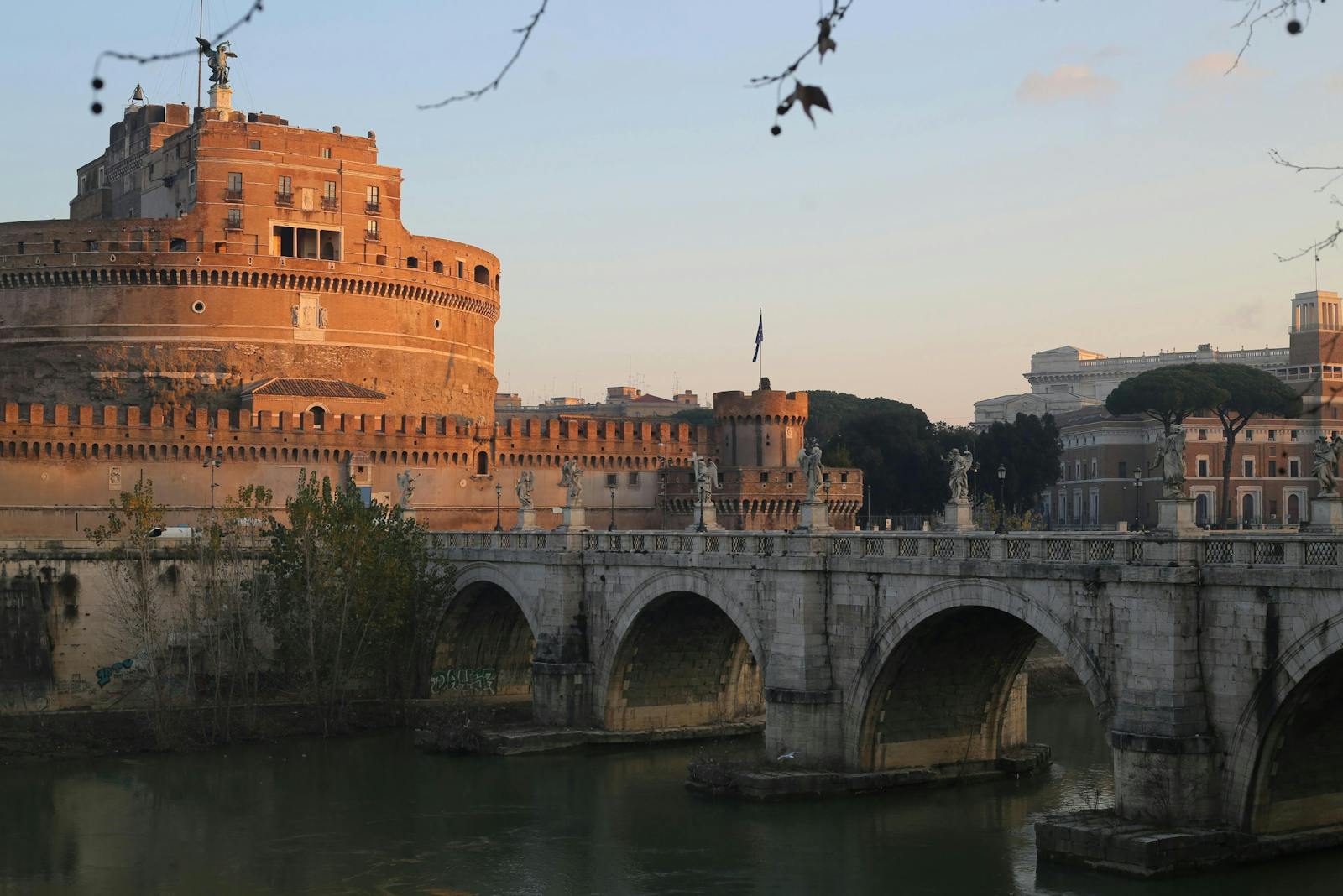
Emperor Hadrian ordered the construction of the mausoleum around 135 AD to house his remains and those of several Roman emperors up to Caracalla. At the time, a specially designed bridge, the Pont Elio, connected the monument to the Champ de Mars. This massive brick structure covered in marble still forms the architectural core of the building today.
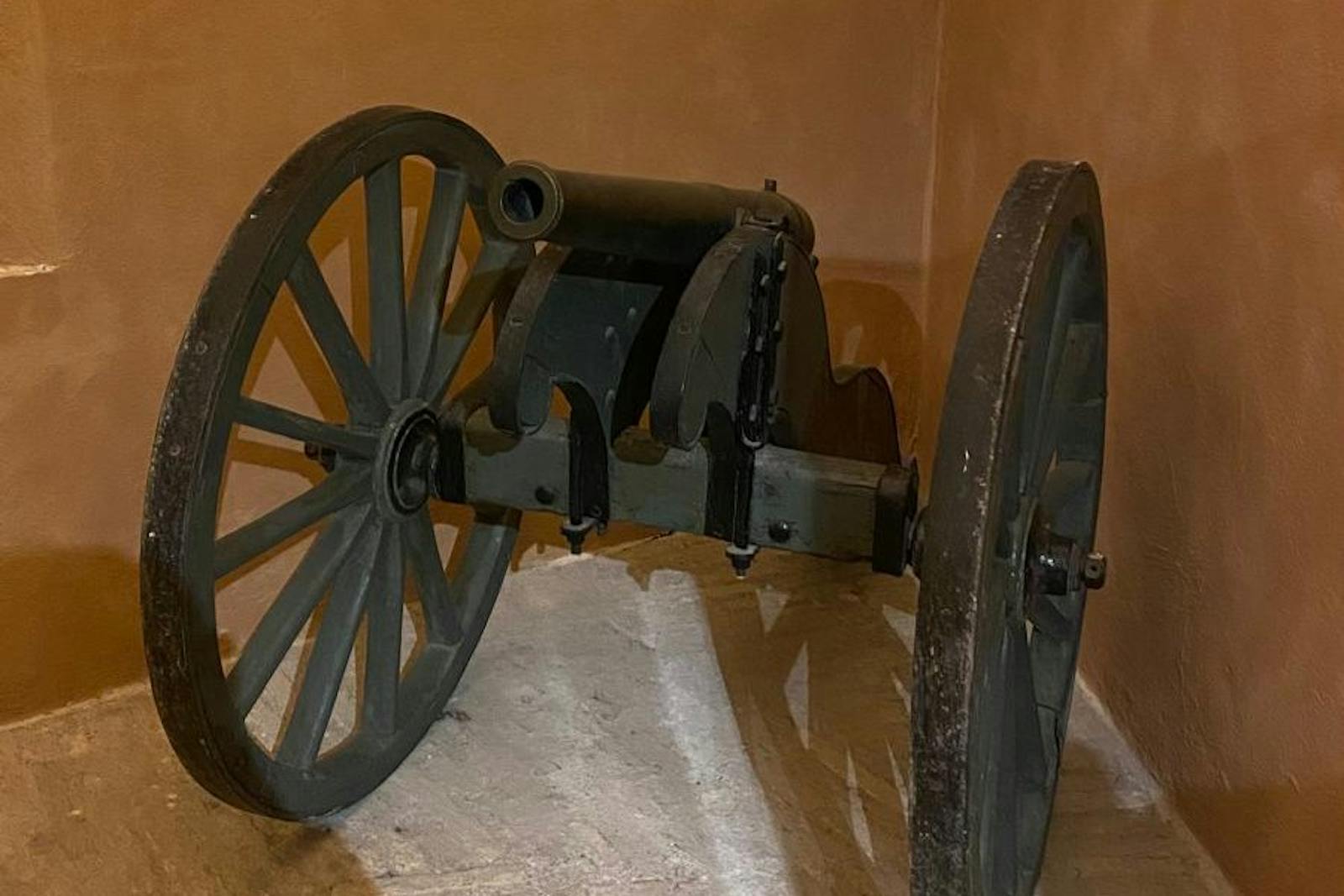
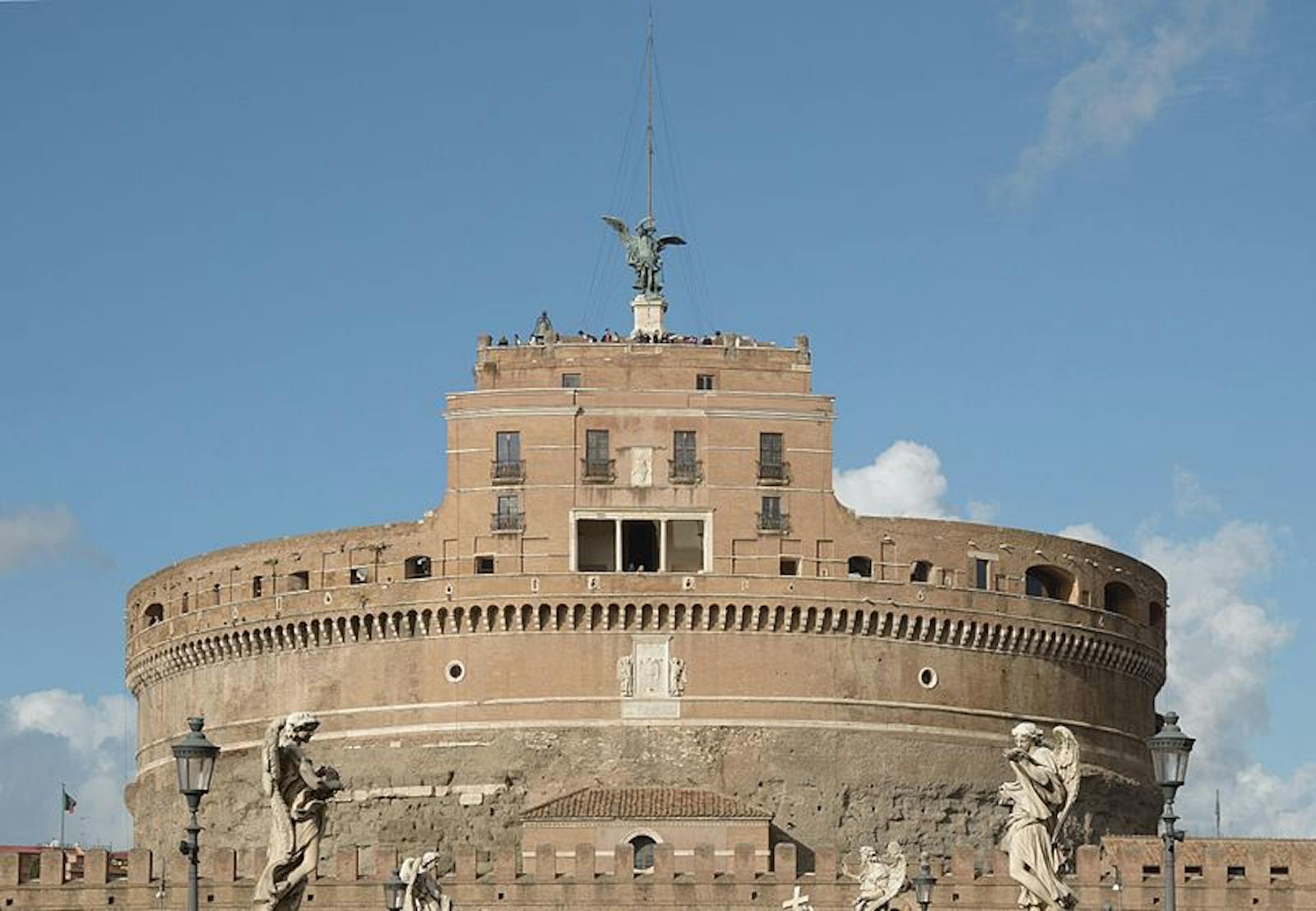
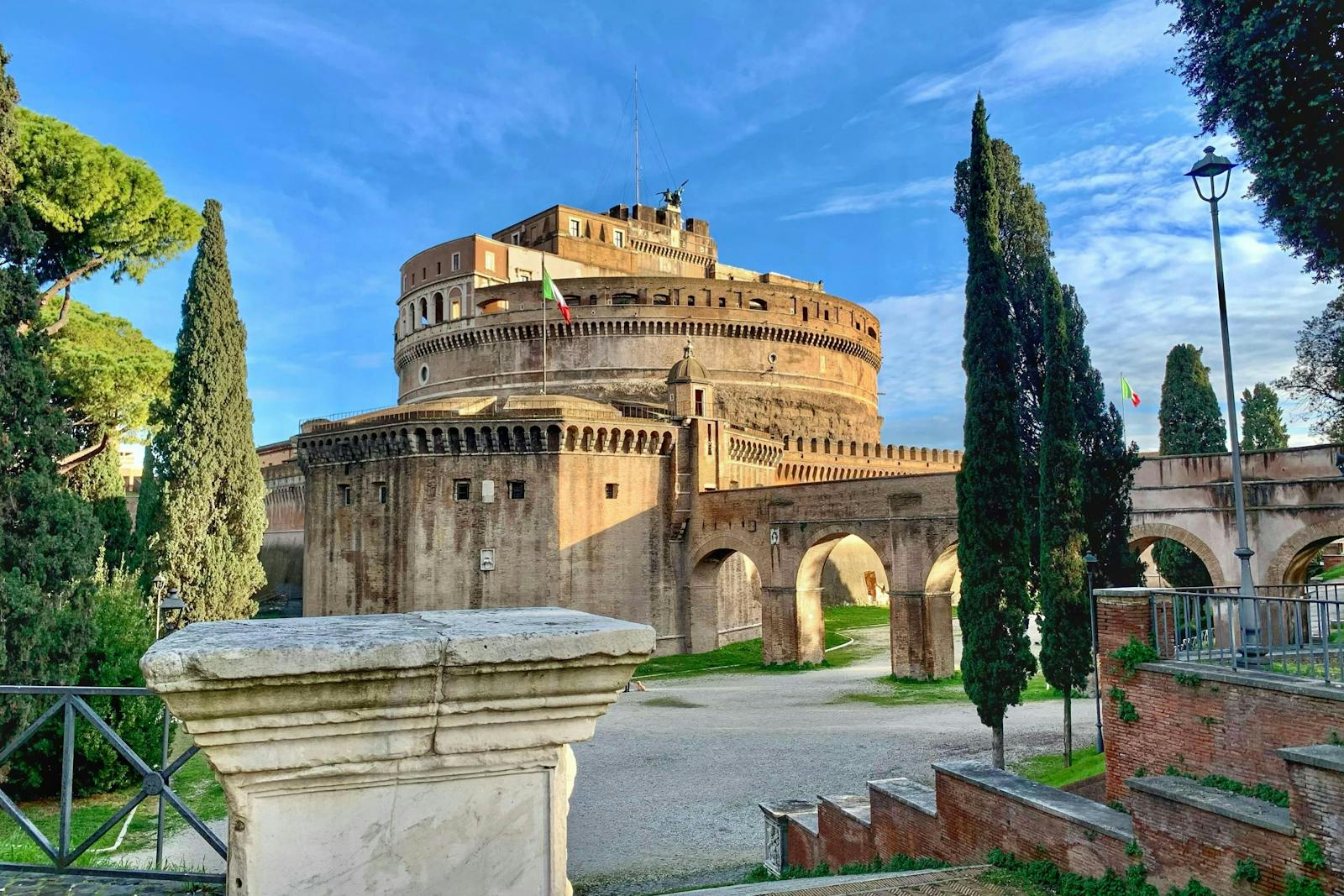
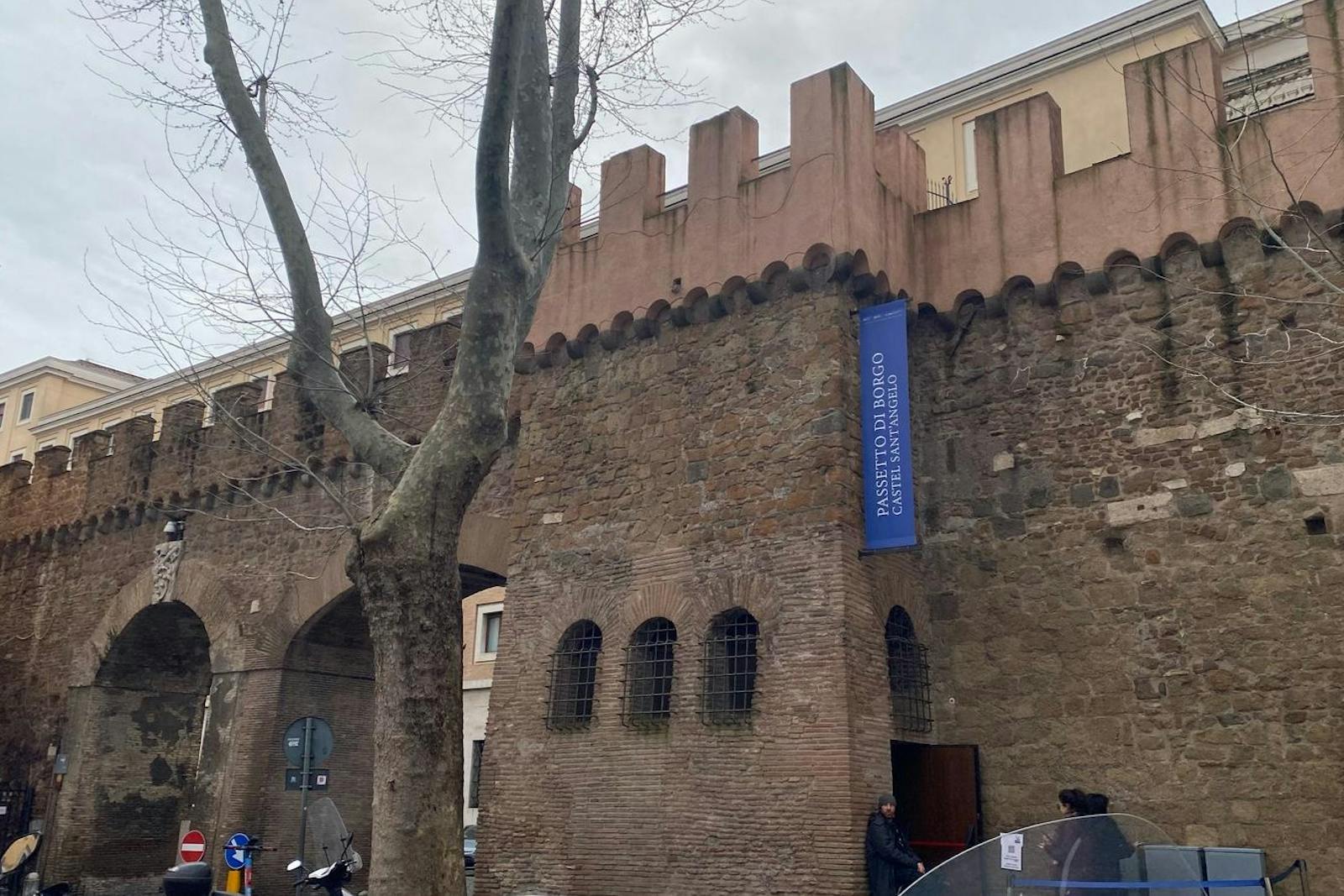
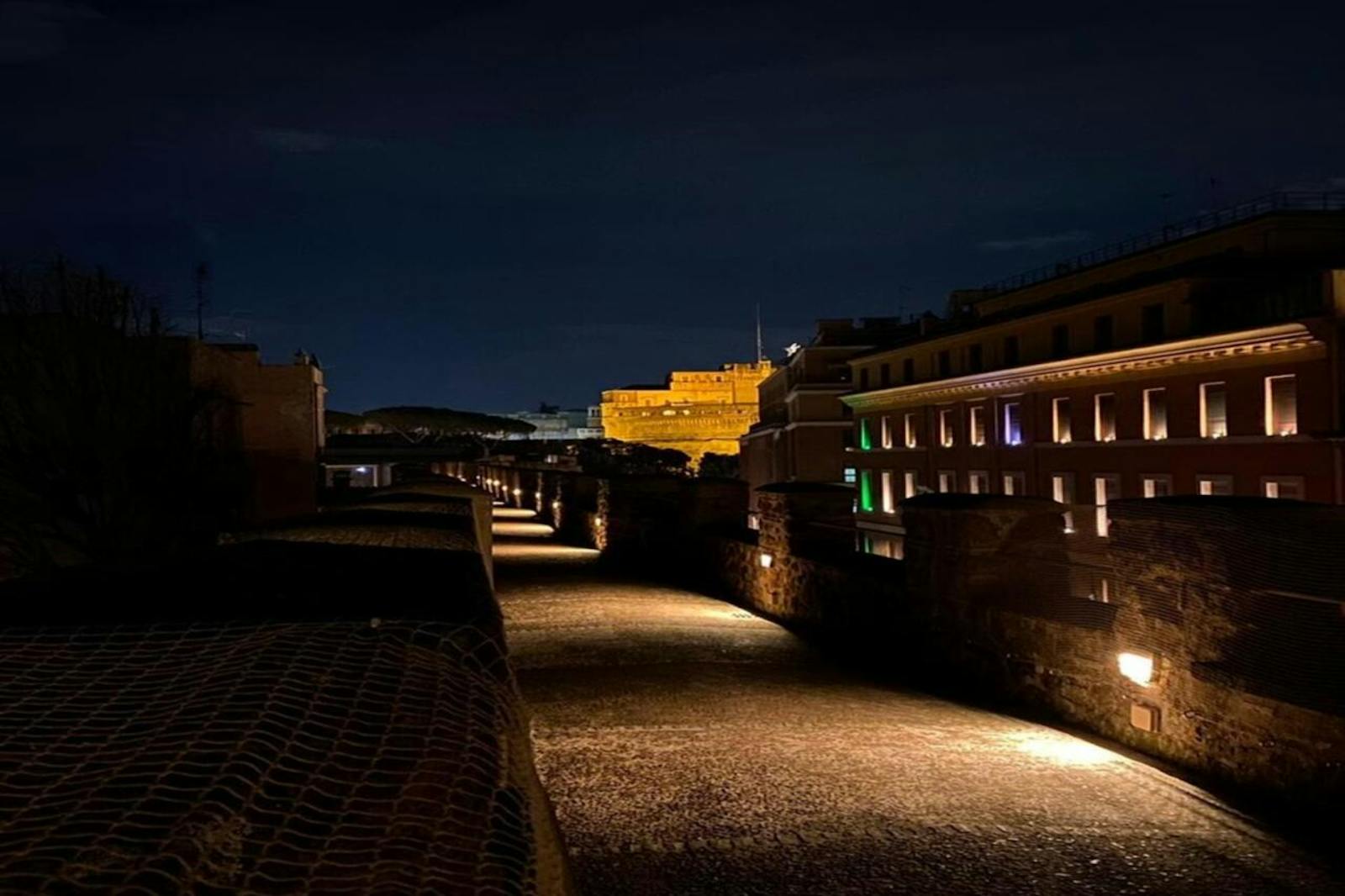
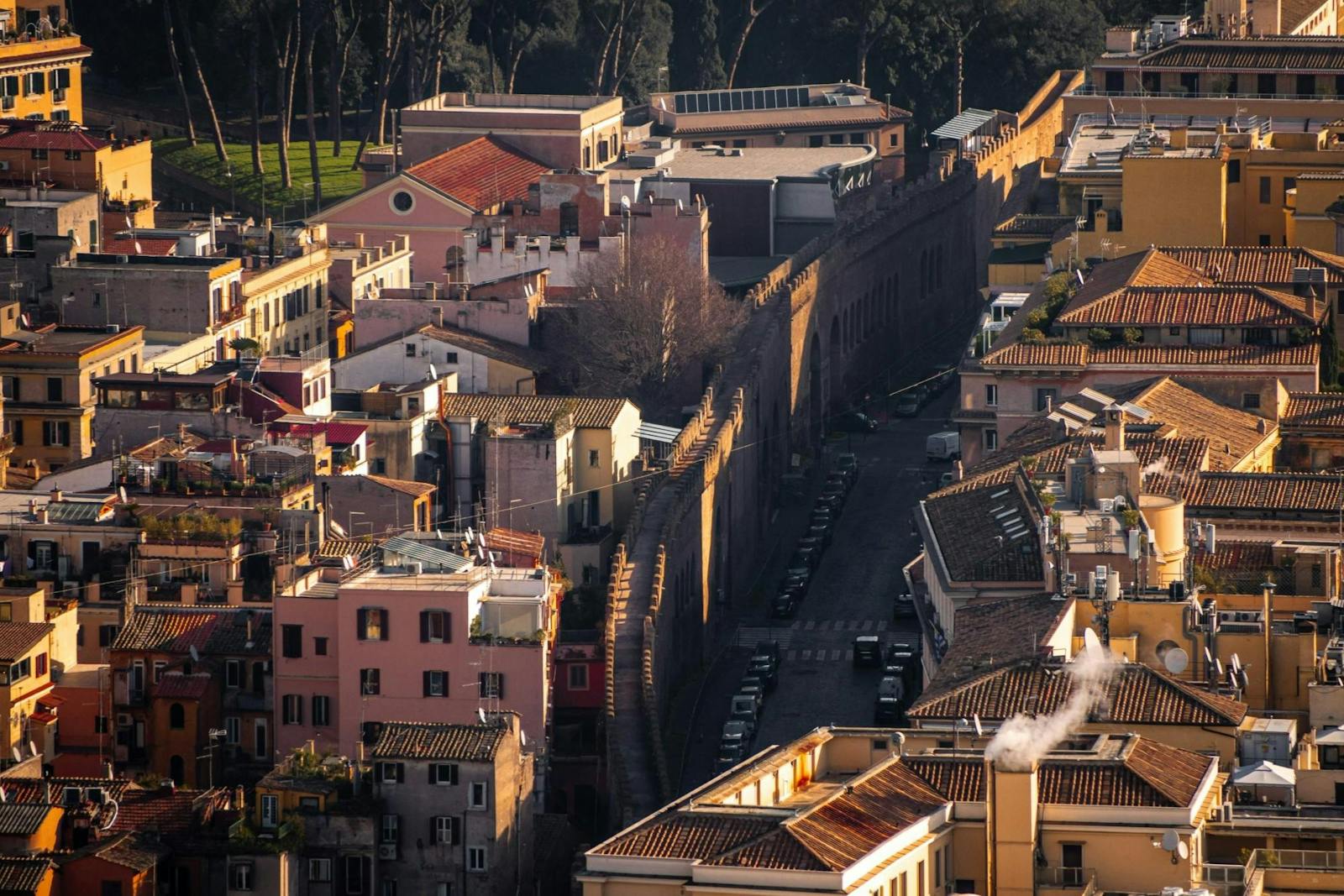
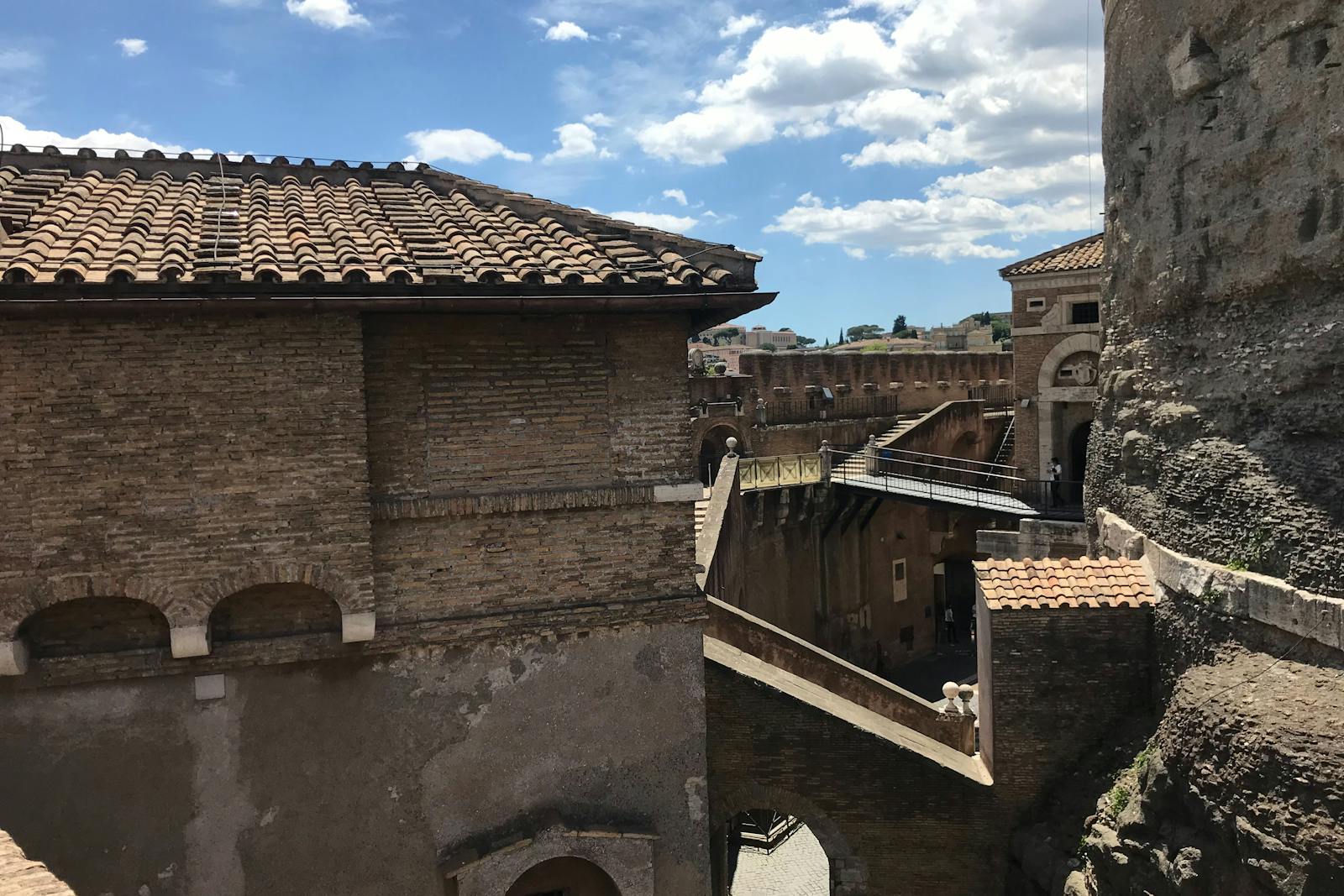
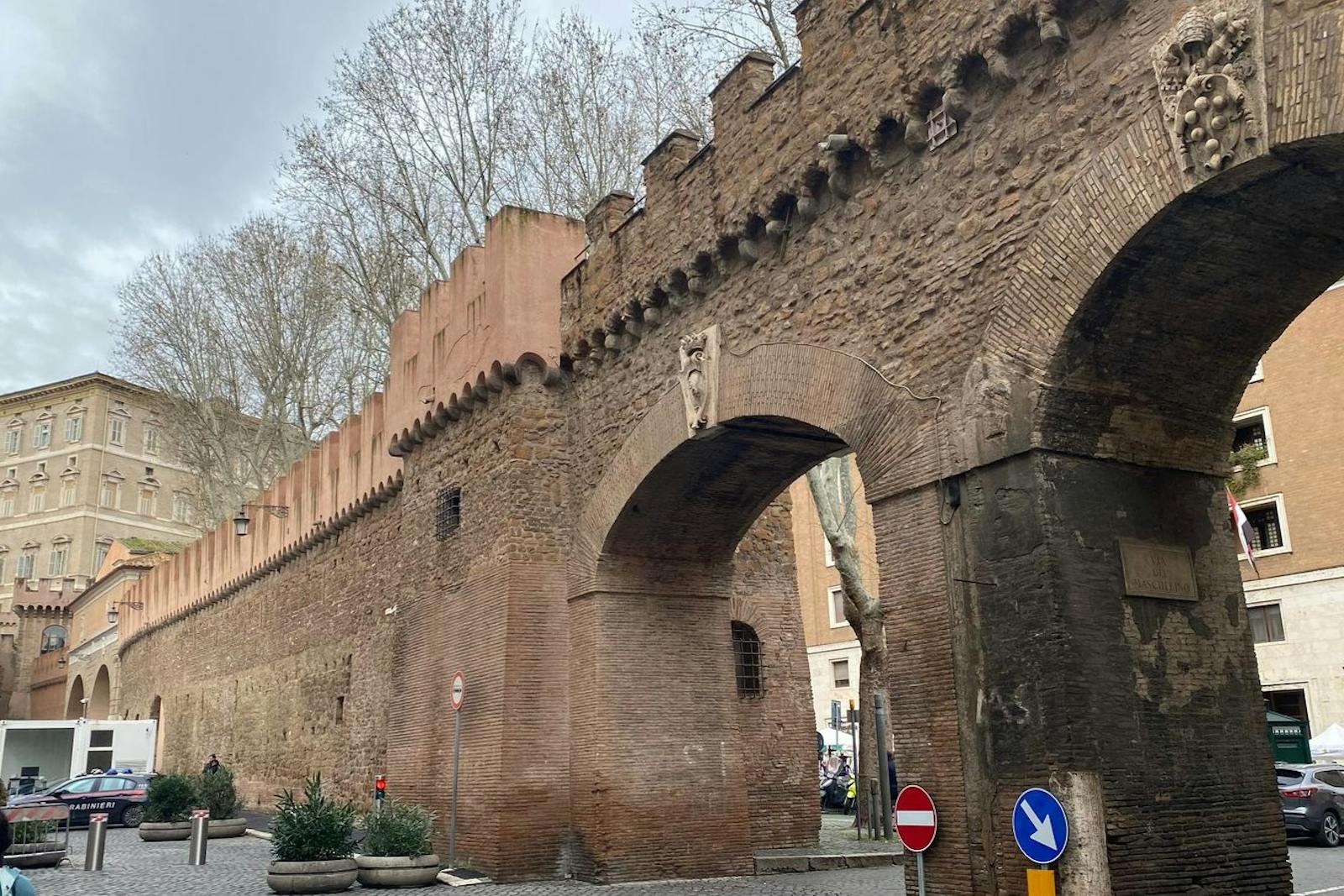
In the Middle Ages, the building was remodeled and used for military purposes. Under Pope Alexandre VI Borgia, it became a strategic fortress defending access to the Vatican. The fortified corridor of the Passetto di Borgo was then built to serve as an escape route for popes during sieges. This military transformation permanently marked the exterior appearance of the monument.
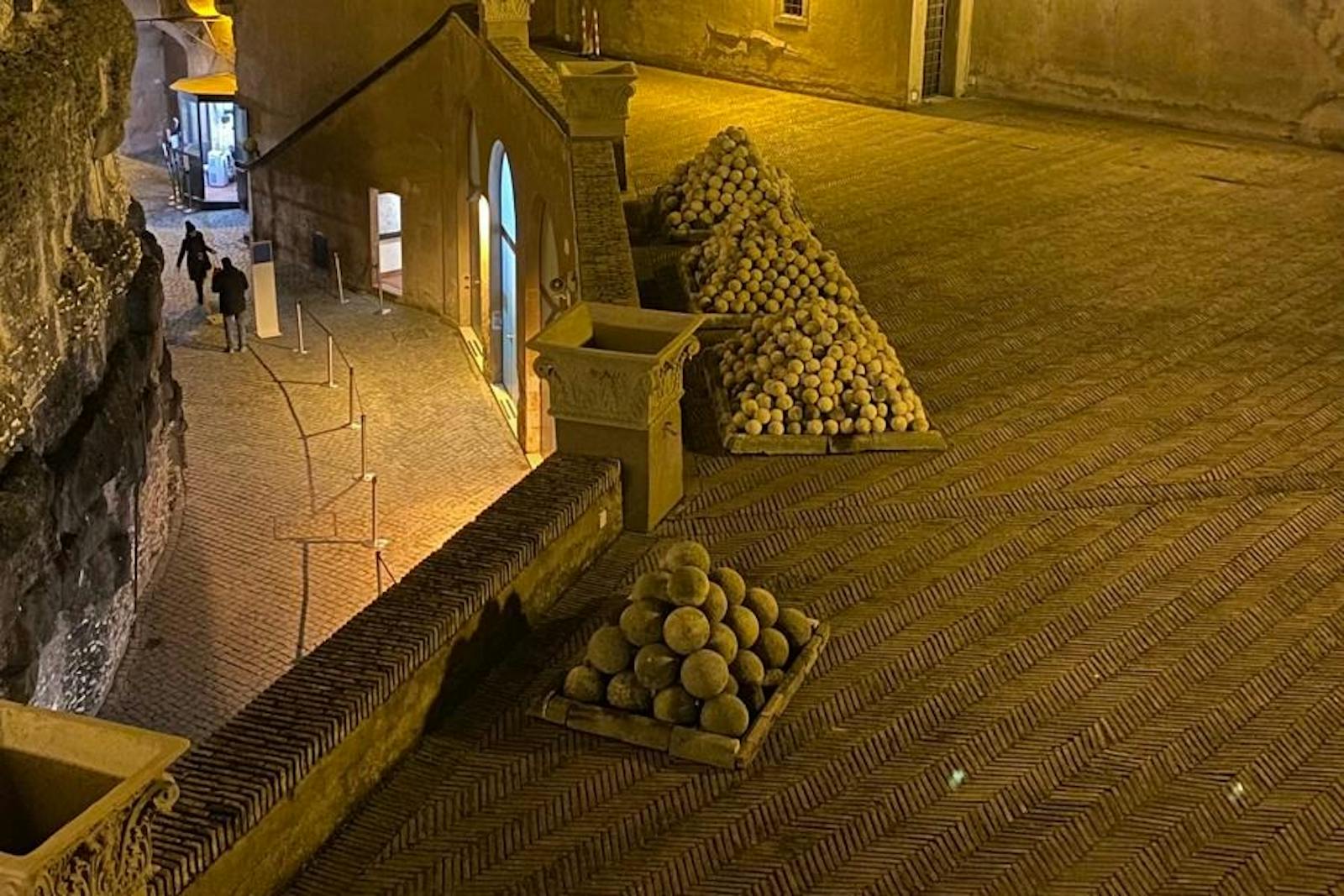
The castle later housed famous prisoners before officially becoming a museum on February 13, 1906. Owned by the Italian State, it has been managed by the Directorate of Museums of Rome State since December 2019. The interiors preserve traces of these different eras, from funeral ramps to Renaissance decorated rooms, offering a rich historical testimony.
What to see at the Castel Sant'Angelo
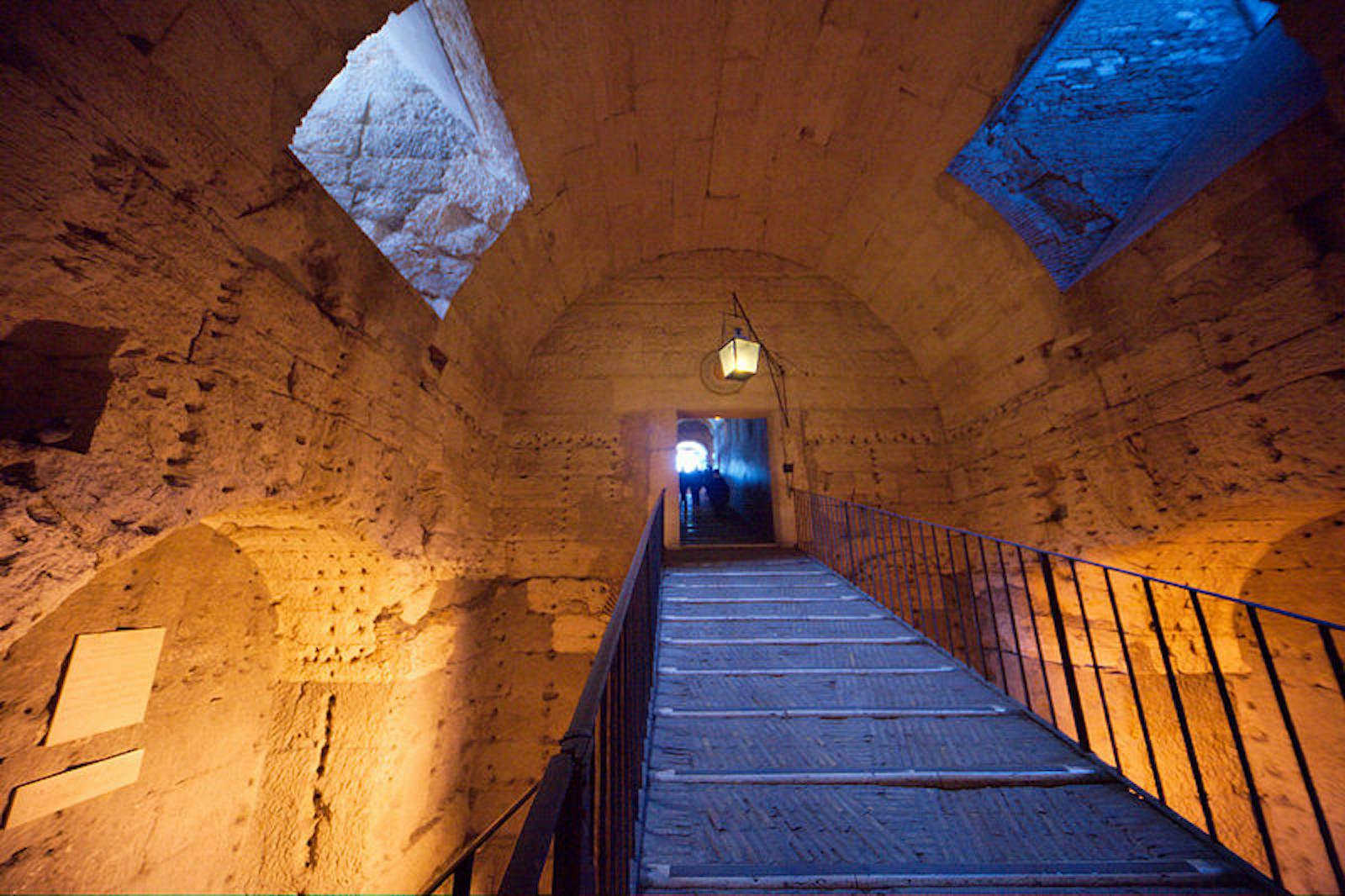
The ascent begins with a spiral ramp of brick covered in marble leading to the central funerary cell. This passage retraces the history of Hadrian's mausoleum and offers a first immersion in ancient architecture. Natural light wells illuminate the interiors depending on the time of day, creating a unique and contemplative atmosphere.
The papal apartments occupy the upper levels with their richly ornate decorations. These rooms testify to the residence of the popes and the transformation of the site into a residential palace. The artworks on display complete this journey through the centuries, blending antiquity and the Renaissance.
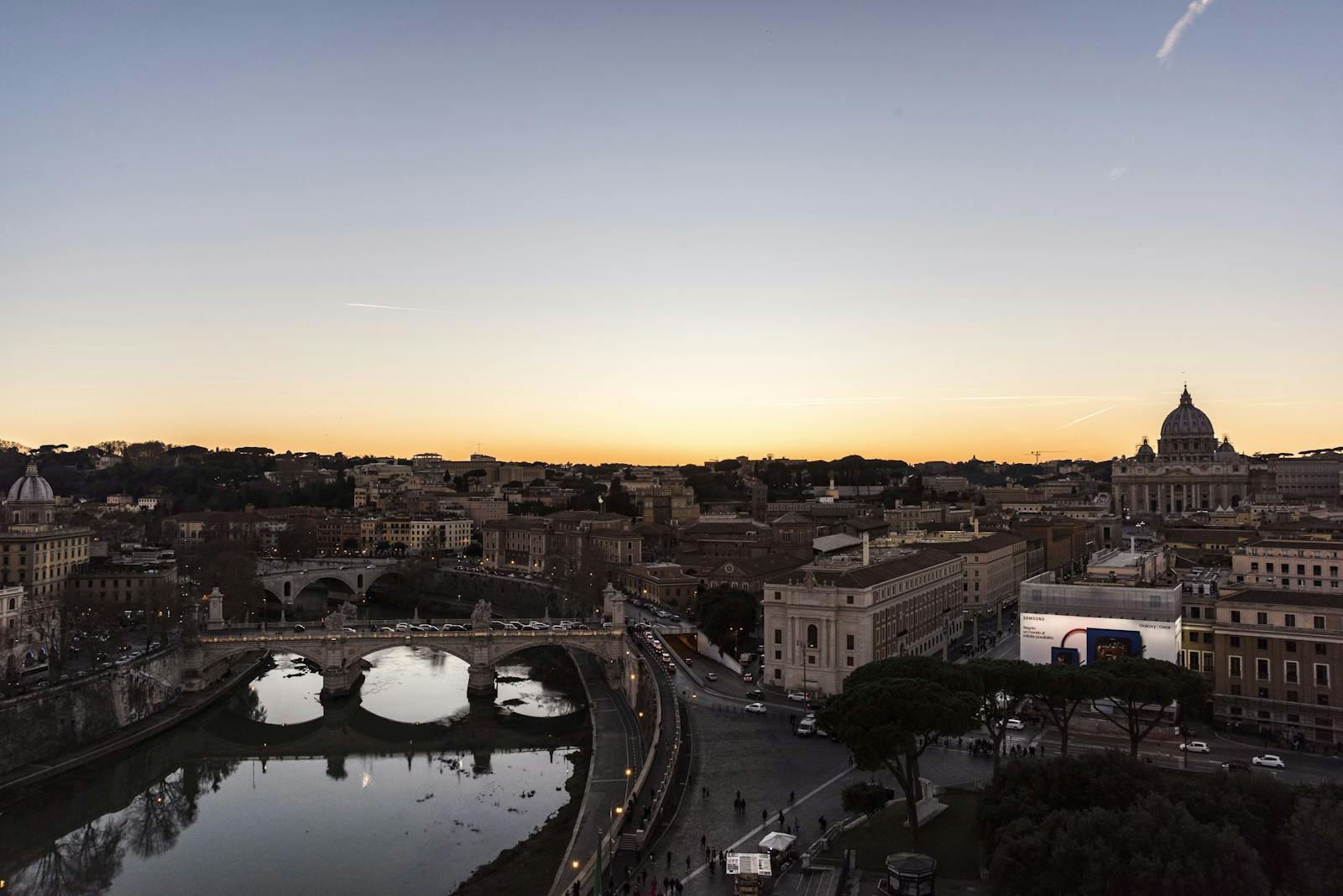
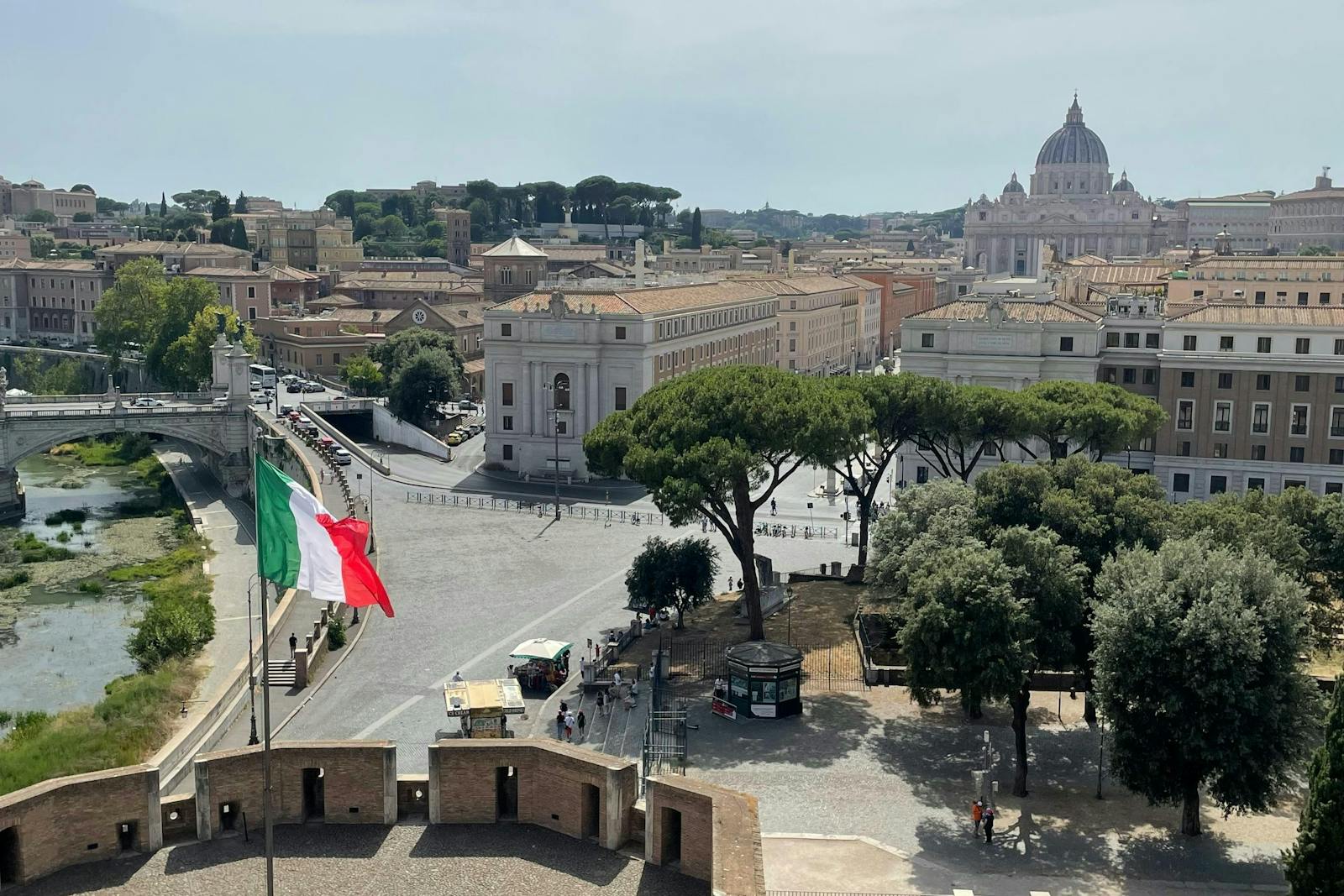
The terrace of the Angel is the highlight of the visit. It offers a privileged panorama over St. Peter's Basilica, the Tiber river, and the rooftops of Rome. In the early morning, this esplanade is less crowded, ideal for capturing photos without crowds. Take the time to appreciate this view before descending.
Practicalities and itinerary
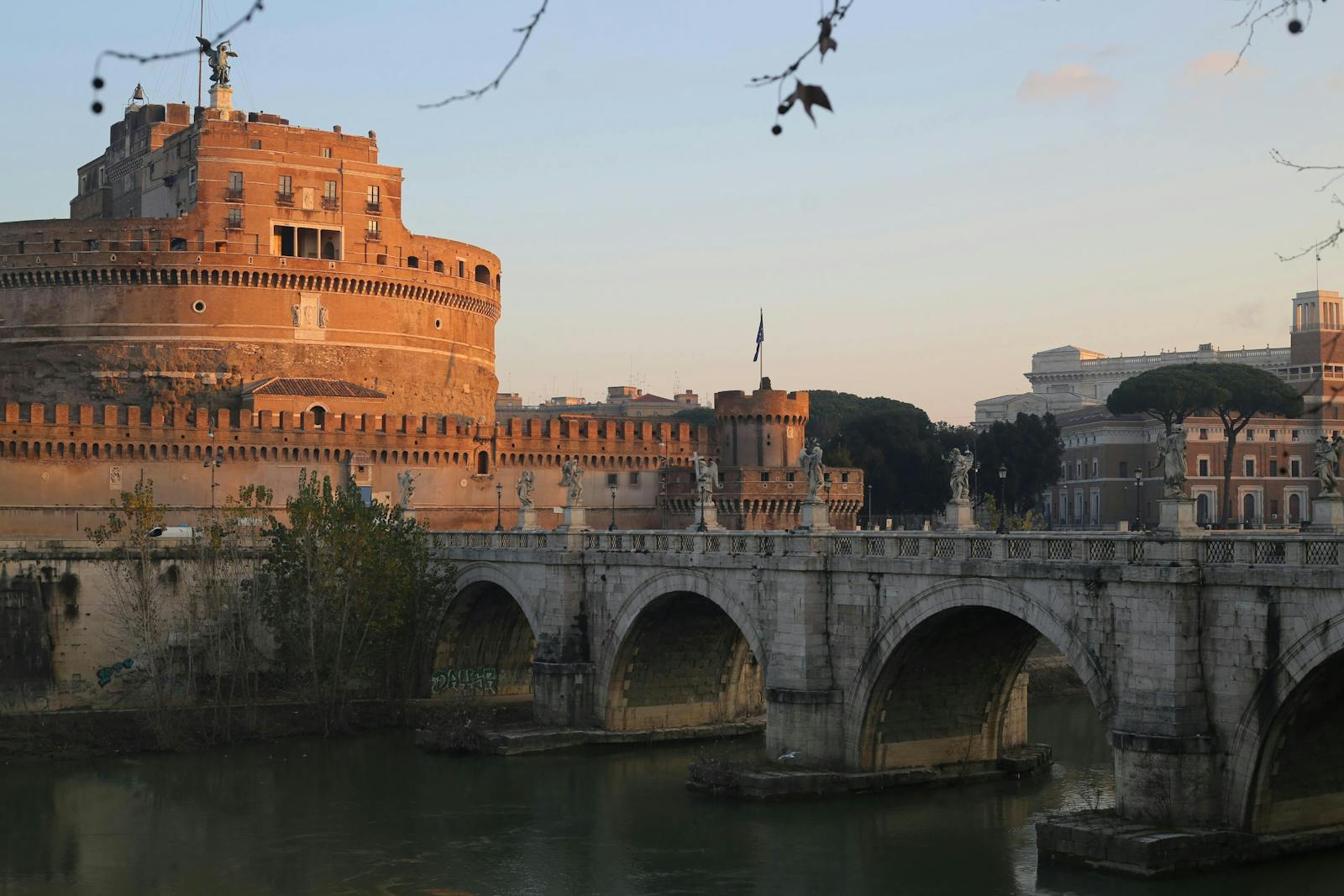
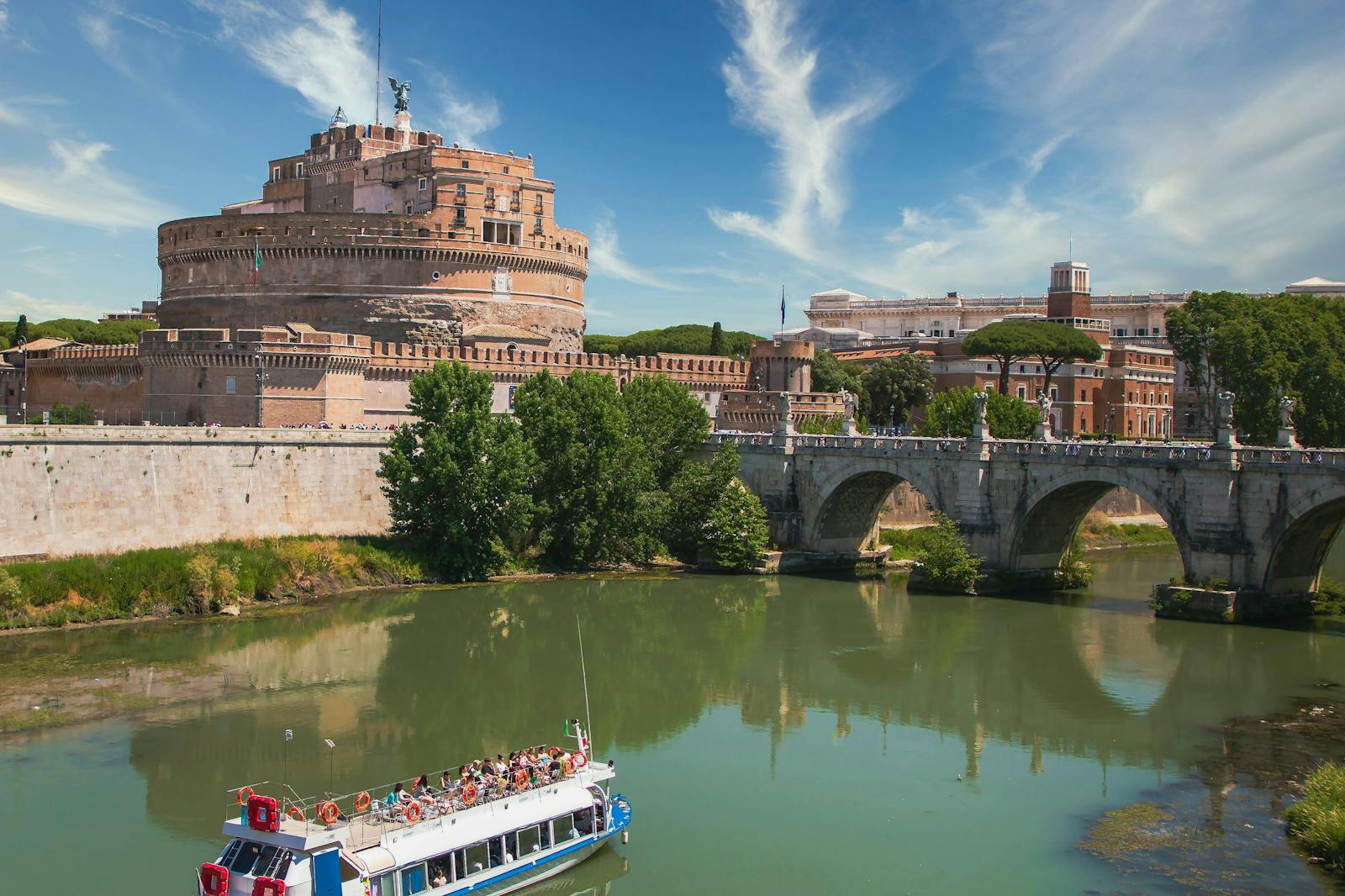
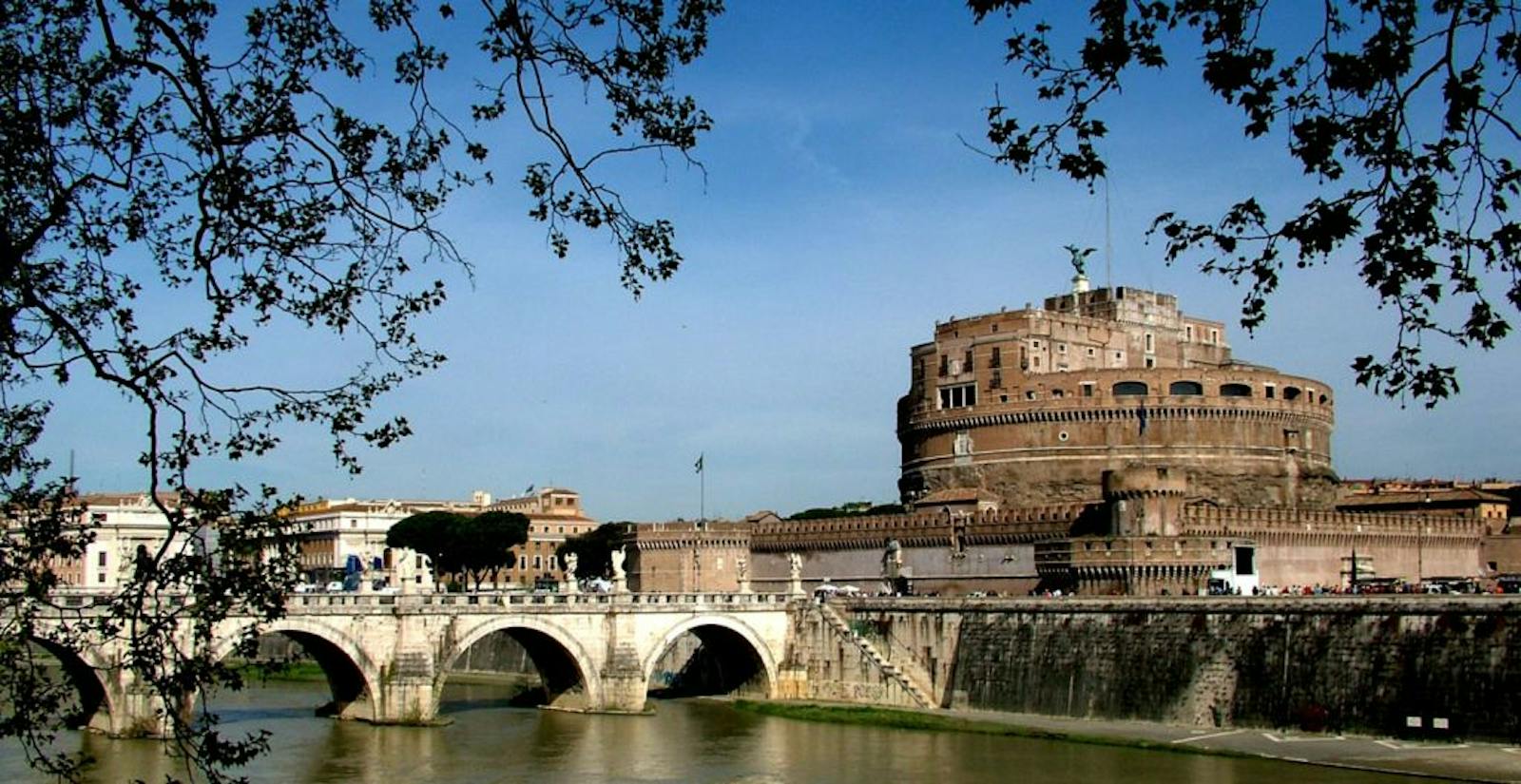
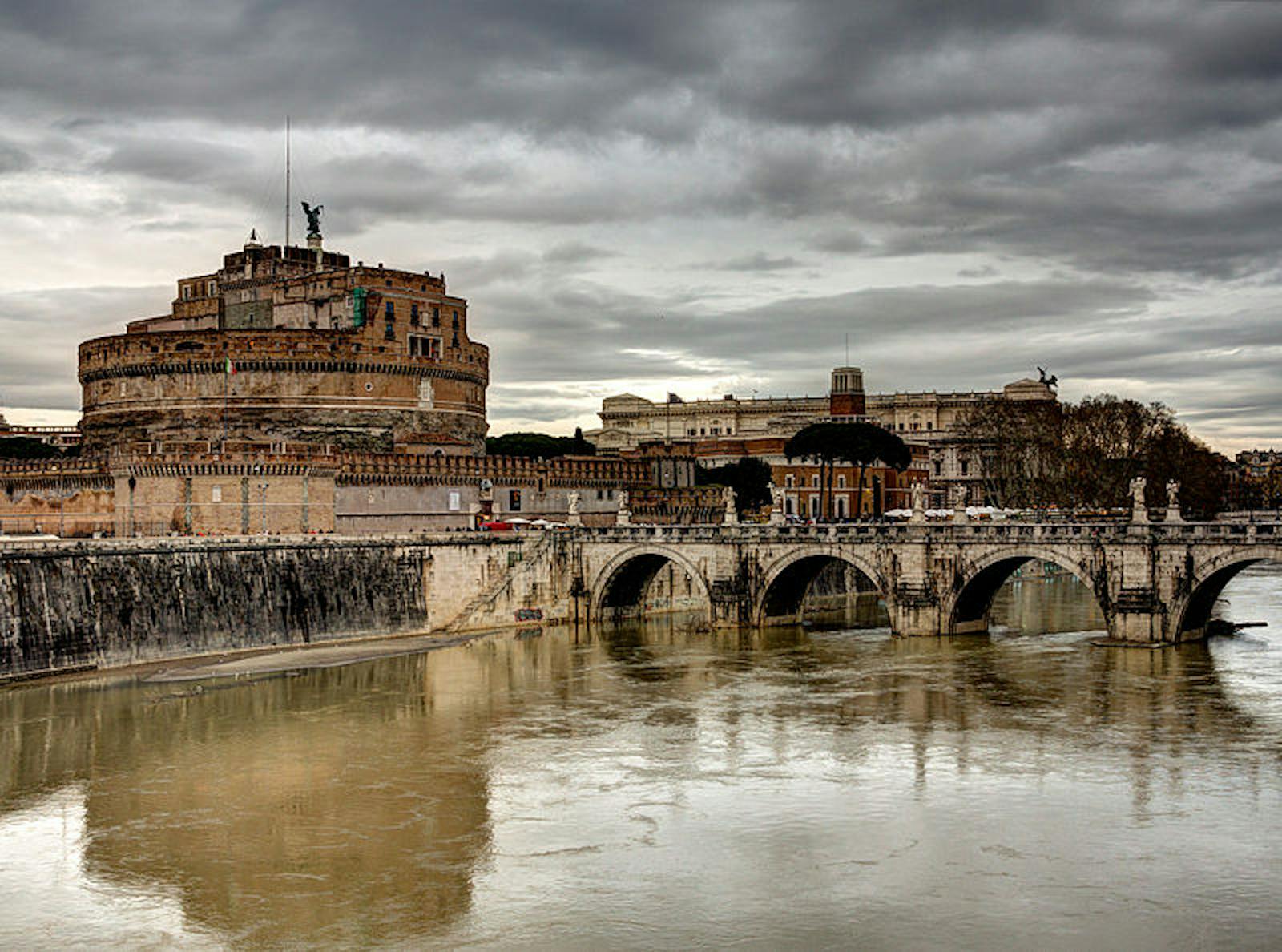
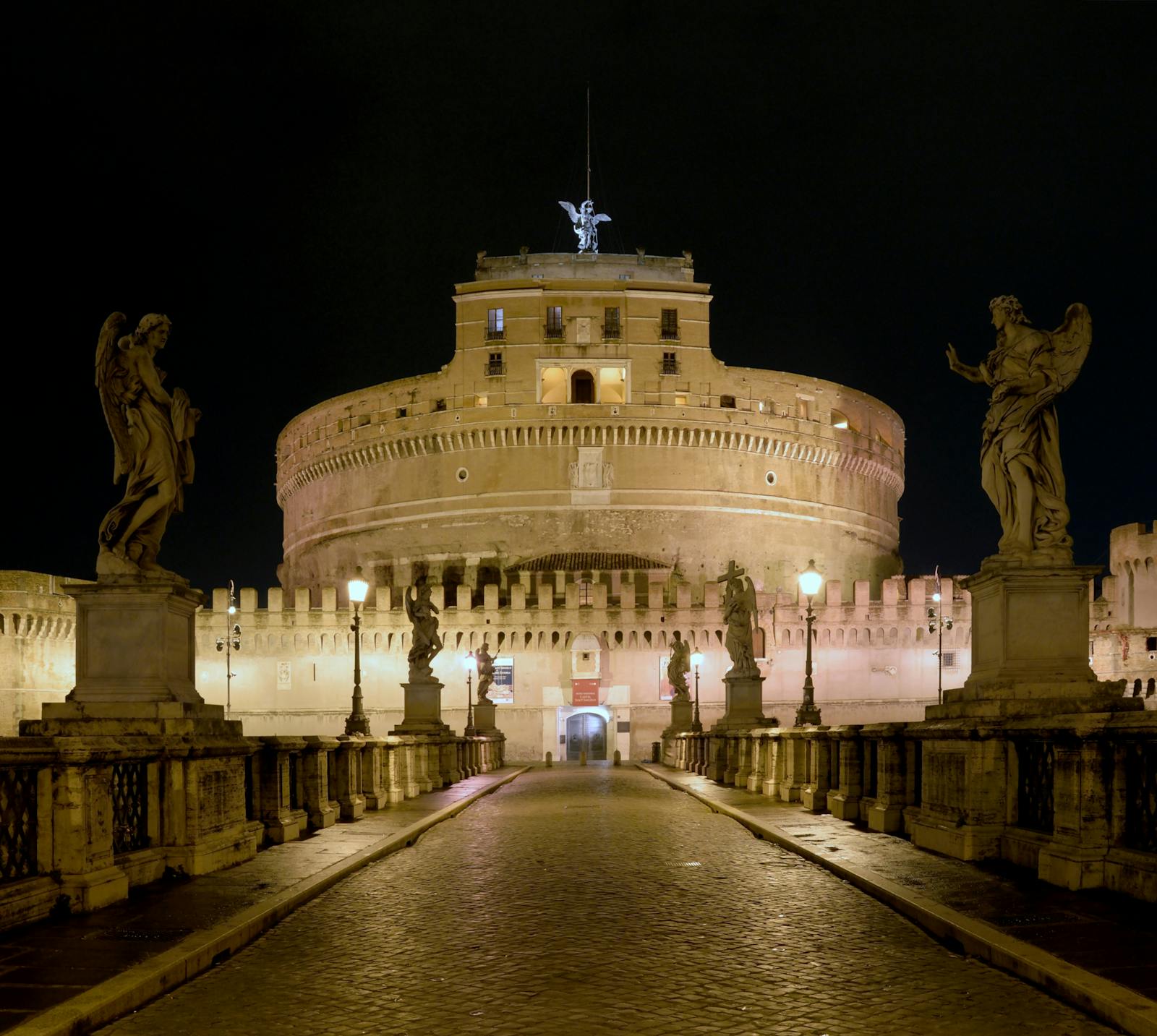
The monument is located on the right bank of the Tiber, a short distance from the Vatican, connected by the Passetto di Borgo. To access the site, the Pont Saint-Ange offers the best photographic angle of the castle with the river in the background. Allow at least two hours to enjoy the rooms and views without rushing.
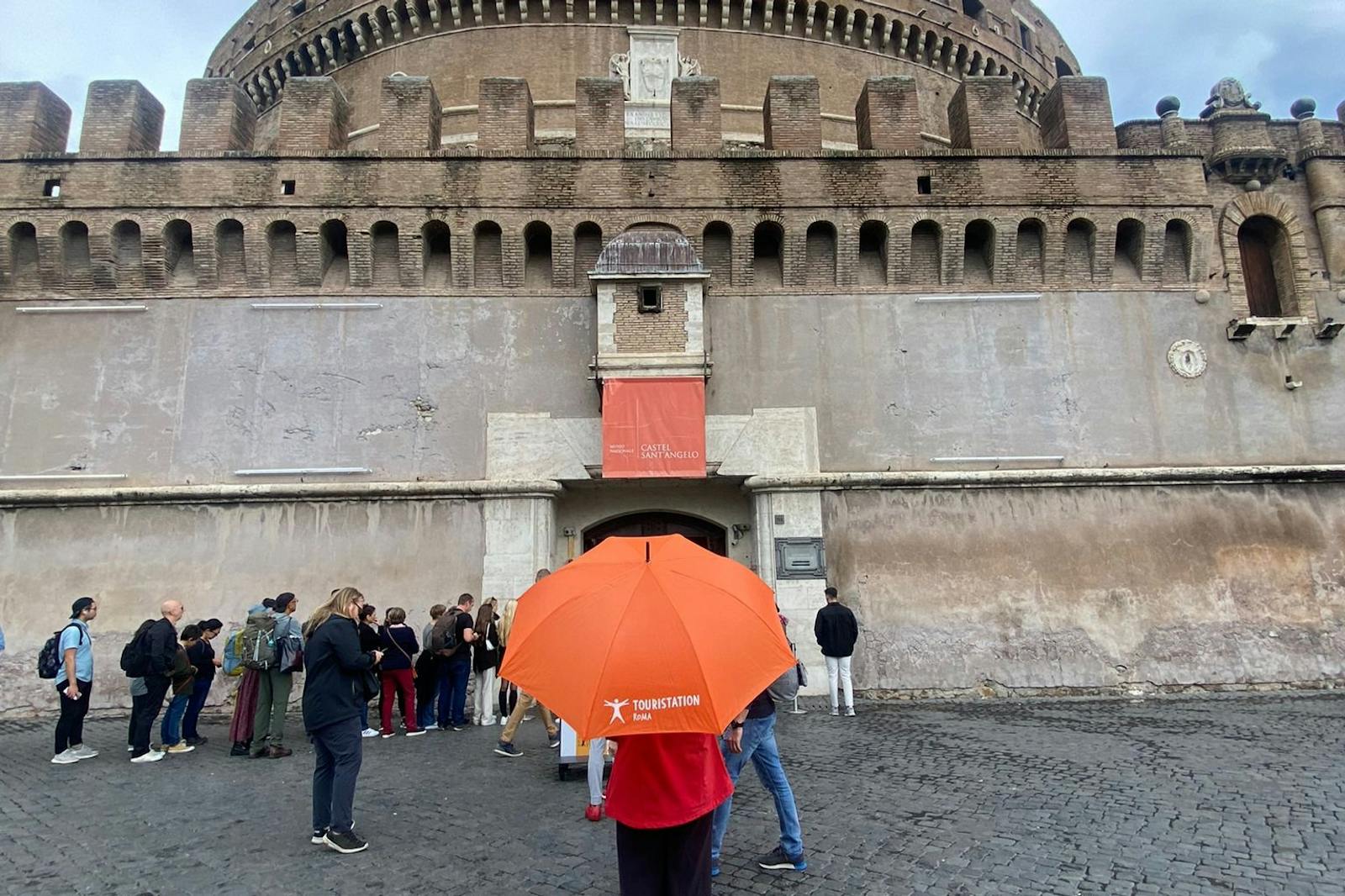
The ordinary castle ticket does not automatically include the Passetto di Borgo, which falls under dated guided tours. If you wish to understand the popes' escape route, specifically book this extension. Also check the required identity on the named ticket and any possible works or route deviations before your visit.
A complete itinerary often combines the Vatican Museums in the morning, followed by the Castel Sant'Angelo and the Passetto di Borgo in the afternoon. Plan for comfortable shoes as the spiral ascent and multiple levels require good physical condition. Specific Monday opening hours must be confirmed before booking to avoid any unexpected closure.